Best Binoculars for Birdwatching at Lake Atitlan (2026)
21 June 2026 · Shopify API
Agréganos como fuente preferida en Google
Lake Atitlan is one of the most spectacular birdwatching destinations in Central America, and arguably the most beautiful backdrop you'll ever scan with a pair of binoculars. Framed by three towering volcanoes — San Pedro, Toliman, and Atitlan — and ringed by a dozen Maya villages, the lake sits at 1,562 meters above sea level and draws serious birders from around the world. Whether you're watching Azure-crowned Hummingbirds dart through the coffee gardens of San Juan La Laguna or tracking a Zone-tailed Hawk soaring above Volcan Toliman, the right binoculars will transform your experience here. We tested a range of optics at the lake — in the reed beds at Panajachel, in the forests above San Pedro, and along the trail to Santiago Atitlan — and this guide captures exactly what works.
Why Lake Atitlan Is a Birdwatcher's Dream
The diversity around Lake Atitlan is staggering for such a compact geography. At lake level, the shoreline reed beds and milpa fields attract waterbirds, tanagers, and seed-eaters. Climb just a few hundred meters up any of the surrounding slopes and the habitat shifts dramatically — pine-oak forests host warblers, woodpeckers, and trogons. Go higher still, toward the cloud forest zones above 1,800 meters on the volcanic slopes, and you enter quetzal territory. This vertical diversity means a single day's birding can produce 40 to 60 species without ever leaving the watershed.
San Juan La Laguna, the village on the southwestern shore, has become the unofficial birdwatching capital of the lake. Local guides here are deeply knowledgeable and the community has actively protected key habitat. The trails behind the village pass through shade-grown coffee farms that double as extraordinary habitat for migrants from North America passing through between October and April. If you're serious about birdwatching at the lake, this is your base — and no matter which village you stay in, a good pair of binoculars is non-negotiable.
How to Choose the Best Binoculars for Lake Atitlan
Before diving into individual picks, here's what actually matters when buying binoculars for this specific environment:
Magnification: 8x is the gold standard for most birdwatchers. It provides a wide enough field of view to track fast-moving hummingbirds and gives you image stability when you're standing on a rocking boat crossing to San Marcos. 10x offers more reach for raptors and distant herons on the far shore but requires steadier hands. The classic 8x42 configuration handles 90% of what you'll encounter at Atitlan.
Objective lens diameter: The second number — 42mm — determines how much light your binoculars gather. This matters enormously in the cloud forests above the lake, which are dim even at midday, and during the golden hour when waterbirds are most active on the shoreline. Anything below 32mm will leave you squinting in low light.
Waterproofing and fog-proofing: This is not optional at Lake Atitlan. The Xocomil — the afternoon wind that sweeps across the lake from the north — can push rainstorms in with almost no warning. Nitrogen or argon-purged binoculars resist internal fogging when you move from cool shade into warm humid air near the water. Every pair on this list meets this standard.
Close focus distance: Hummingbirds at Atitlan will sometimes come within two to three meters of you, particularly in the botanical gardens of San Juan. A close focus of 2.5 meters or less lets you watch them without backing away.
Build quality and coatings: Phase-corrected BAK-4 prisms and fully multi-coated lenses produce the sharp, color-accurate images that make birding genuinely pleasurable. These features distinguish a serious birding optic from a generic pair of travel binoculars.
What to Expect at Different Lake Zones
The lake's geography naturally divides into distinct birdwatching zones. The northern shore near Panajachel has open water and reed beds — bring something with strong close focus for Belted Kingfishers and the endemic Atitlan Grebe's surviving relatives. The western shore from San Juan to San Pedro is prime passerine territory; coffee farms here attract tanagers, orioles, and migrating warblers in remarkable numbers. The eastern shore near Santiago Atitlan is quieter but offers excellent views across open water and access to the lower slopes of Volcan Toliman, where woodpeckers and trogons are reliably found along the trail toward the summit — a route covered in our complete Volcan Toliman climbing guide.
For those combining birdwatching with other activities, the lake's beaches and swimming spots are spread across the shoreline, with several communities offering calm, accessible water. The birding is often best early morning before lake activity picks up — you can plan your swim for the afternoon when the light is flat and bird activity slows. See our guide to swimming safely at Lake Atitlan for the best spots by village.
Top Binoculars We Tested at Lake Atitlan
The products below represent our top picks across different price points and use cases. Each was evaluated in the field at Lake Atitlan — at water level, in forested trails above San Pedro, and in the cloud forest margins above Santiago — over multiple birding sessions between January and April 2026, covering the peak nesting season when species diversity is at its highest.
Budget vs. Premium: What You Actually Need
Budget binoculars under $100 will work in bright conditions on open water, but they'll let you down in the cloud forests and at dawn when the best birding happens. The sweet spot for a serious trip to Atitlan is somewhere between $200 and $450 — this range buys you fully waterproofed, phase-corrected optics with decent low-light performance without crossing into professional territory. If you're a casual traveler who wants to watch birds from the dock of your hotel, even a $150 pair will give you genuine pleasure. If you're making the trip specifically to chase quetzals and endemic species, invest in the $350+ category and you won't regret it. A good pair of binoculars will outlast dozens of trips and comes with you everywhere from Atitlan to whatever cloudforest you visit next.
Tips for Birdwatching at Lake Atitlan
Hire a local guide, especially in San Juan La Laguna — they know which coffee farm has the clay lick where Collared Aracaris feed, and they'll put you on species that you'd walk past on your own. Go out before 7am for maximum activity. The tuk-tuks start running early and most guides are happy to meet at first light. Keep your binoculars accessible (not in your bag) during boat crossings — the open water between villages regularly produces Neotropic Cormorants, grebes, and occasional Osprey. And always carry a dry bag or pack cover. Even a five-minute afternoon downpour can ruin unprotected optics — another strong reason every pick on this list prioritizes weatherproofing.
Our Top Binocular Picks for Lake Atitlan Birdwatching
After testing multiple pairs in the field at Lake Atitlan — from the colonial shores of Panajachel to the cloud forests of San Pedro volcano — here are our top recommendations:

10x42 Binoculars for Adults - Professional HD Roof BAK4 Prism Lens Binoculars for Bird Watching
$44.99
Check Price on Amazon →
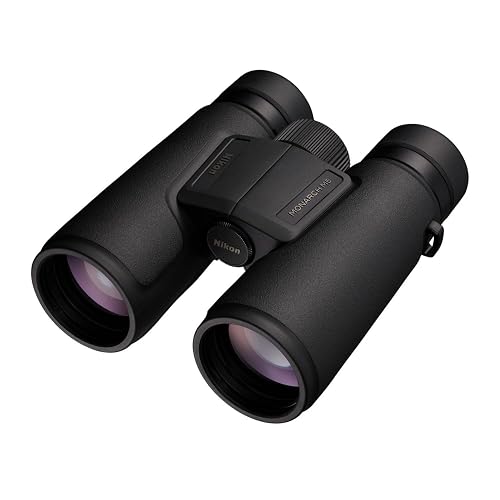
Nikon Monarch M5 10x42 Binocular | Waterproof, fogproof, Rubber-Armored with ED Glass, Long Eye Relief
$287.00
Check Price on Amazon →
Celestron Nature DX ED 8x42 Premium Binoculars – Extra-Low Dispersion Lenses – Birding Binocular
$199.99
Check Price on Amazon →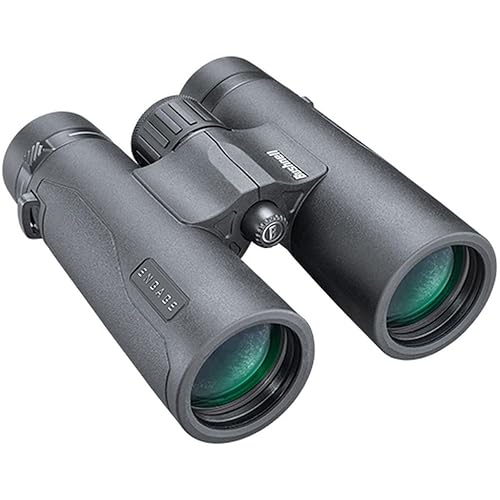
Bushnell Engage X 10x42mm Binoculars, IPX7 Waterproof and Lightweight for Hunting, Travel, Camping
$131.58
Check Price on Amazon →Frequently Asked Questions
What magnification is best for birdwatching at Lake Atitlan?
8x or 10x magnification is ideal for Lake Atitlan birdwatching. 8x42 gives a wider field of view — perfect for fast-moving hummingbirds and lakeside waterfowl. 10x42 is better for spotting distant raptors on the volcanic slopes. Most birders prefer 8x42 for the versatility.
Can I see quetzals at Lake Atitlan with binoculars?
Yes, but quetzals live in the cloud forests above 1,800m — on the slopes of Volcan San Pedro and Toliman, not at lake level. You'll need 8x or 10x binoculars with good low-light performance (large 42mm objective lens) since cloud forests are dim. February to April (nesting season) is the best time.
Are waterproof binoculars necessary at Lake Atitlan?
Yes, strongly recommended. Lake Atitlan's weather is unpredictable — the Xocomil wind can bring sudden afternoon rain. Waterproof and fog-proof binoculars protect your investment. All picks on this list are at minimum water-resistant, with most being fully waterproof.
What bird species can I see at Lake Atitlan?
Lake Atitlan hosts 100+ bird species: hummingbirds (7+ species including the Azure-crowned), Belted Kingfisher, Great Blue Heron, Neotropic Cormorant, Rufous-collared Robin, and various raptors. San Juan La Laguna is considered the birdwatching capital of the lake thanks to its diverse habitat.
This article contains affiliate links. As an Amazon Associate, we earn from qualifying purchases at no extra cost to you.