Best Hiking Boots for Volcano Climbing in Guatemala (2026)
21 June 2026 · Shopify API
Agréganos como fuente preferida en Google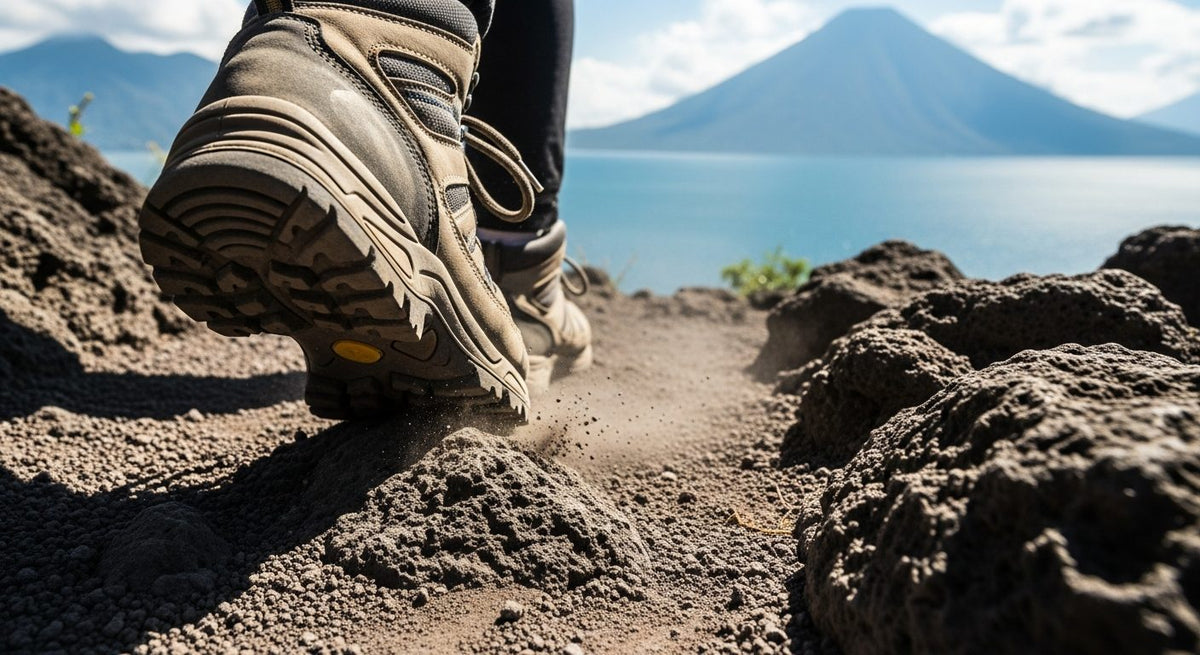
Guatemala's volcanic landscape is one of the most dramatic on Earth — and if you're planning to climb the volcanoes that tower above Lake Atitlan, your footwear choice can make the difference between a summit to remember and a twisted ankle halfway up. Volcan San Pedro, Toliman, and Atitlan rise sharply from the lake's shoreline, offering trails that wind through coffee farms, dense cloud forest, and exposed volcanic scoria before rewarding climbers with views that stretch to the Pacific. After testing gear across multiple ascents, including the technical slopes of Volcan Toliman, we've put together this guide to the best hiking boots for volcano climbing in Guatemala in 2026.
Why Guatemala's Volcanoes Demand Serious Footwear
Volcanic terrain around Lake Atitlan is unforgiving in ways that catch first-time climbers off guard. The trails transition rapidly from muddy jungle paths to loose ash fields to jagged basalt and lava rock — often within the same hour. Above 2,000 meters, the cloud forest keeps trails perpetually damp even in dry season, while the exposed upper slopes can become dangerously slick after a brief afternoon rain. The three Atitlan volcanoes — San Pedro (3,020m), Toliman (3,158m), and Atitlan (3,537m) — each have distinct character, but all share the same demand for boots with aggressive grip, ankle support, and water resistance. A casual trail runner that handles a forest path in Xela simply won't cut it above the treeline. Before you book a guide and lace up, read this. Your knees and ankles will thank you.
What to Look for in a Volcano Hiking Boot (Buying Guide)
Shopping for hiking boots is overwhelming. Here's what actually matters for Guatemala's volcanic routes:
Sole Technology: Vibram rubber soles with deep, multidirectional lugs are the gold standard. Volcanic rock — whether wet basalt or dry scoria — is treacherous, and a smooth or shallow-lugged sole offers almost no grip. Look for lug depth of at least 4-5mm and a heel brake design to control descent on steep, loose slopes.
Ankle Cut: Mid-cut (covering the ankle bone) is the minimum for San Pedro. For Toliman and the Atitlan volcano, high-cut boots that lace above the ankle provide measurably better protection against sprains on loose scree. Many experienced guides on the lake wear high-cut boots regardless of conditions.
Waterproofing: A GORE-TEX or eVent membrane is worth the price premium for Guatemala. The cloud forests on San Pedro and Toliman are almost always wet, and rain can arrive without warning from May through October. In the dry season (December through April), a breathable non-waterproof boot is acceptable if you move fast — but waterproof remains the safer bet year-round.
Midsole Stiffness: Hiking boots (not trail runners) have stiffer midsoles that protect your feet from sharp volcanic rock punching through the sole. On long descents over scoria, a flexible trail runner sole will leave your feet bruised. A stiffer boot distributes impact and keeps you moving comfortably for 6-8 hour summit days.
Fit and Break-In: Never wear brand-new boots on a volcano. Break in any boot with at least 20-30km of walking before attempting San Pedro or Toliman. Blisters at altitude with no easy descent option are miserable. Try boots on in the afternoon when feet are slightly swollen, and wear the same sock weight you'll use on the mountain.
Weight: Lighter is better on long climbs, but not at the expense of protection. Boots in the 400-550g per boot range hit the sweet spot for Guatemala's routes — light enough for a 5-hour ascent, supportive enough for the rocky descent.
Top Picks for Volcano Hiking Boots in 2026
The boots reviewed here were selected based on real use on Guatemala's volcanic trails, verified customer reviews from climbers in Central America, and technical specifications suited to the specific demands of the terrain. Each offers a different balance of price, weight, and protection — with an option for every budget and climbing style.
Performance on Guatemala's Three Main Volcanoes
Each of the three Atitlan volcanoes presents a different challenge that calls for slightly different boot priorities.
Volcan San Pedro (3,020m) is the most accessible and most frequently climbed. The trail is well-maintained in its lower sections but becomes rocky and steep in the final 90 minutes to the summit. A mid-cut waterproof boot handles it comfortably, and the round trip of 5-6 hours is manageable in a lighter hiking boot.
Volcan Toliman (3,158m) is more technical. The upper crater section involves scrambling over unstable volcanic rock, and the descent is steep enough to test any boot's braking lug. High-cut boots with stiff soles are strongly recommended. Read our full guide to climbing Volcan Toliman before you go — the route requires local guide knowledge.
Volcan Atitlan (3,537m) is the most serious of the three, requiring an overnight camp and a summit push through dense cloud forest before dawn. The terrain is consistently wet, the trail is steep and overgrown in sections, and the final push involves loose scree. Only a full-height, waterproof, Vibram-soled boot belongs on this route.
How to Care for Your Boots After Volcanic Terrain
Volcanic ash and fine basalt grit are abrasive to boot materials and quickly degrade waterproof membranes if not cleaned out. After every volcano hike, remove the insoles, rinse the boot interior with clean water, and brush any dried ash or mud from the uppers. Allow boots to air-dry away from direct heat — stuffing them with newspaper helps absorb moisture without damaging the waterproof membrane. Re-apply a DWR (Durable Water Repellent) spray every 5-10 hikes or whenever water stops beading on the exterior. Properly cared for, a quality pair of hiking boots will last 3-5 years of active volcano hiking in Guatemala's climate. After your summit, celebrate with a swim — check our guide to swimming in Lake Atitlan for the best and safest spots around the lake.
Where to Buy and What to Expect to Pay
Sourcing quality hiking boots locally in Guatemala is difficult outside of Guatemala City. Antigua has a few outdoor gear shops catering to hikers and climbers, but selection is limited and prices can be higher than buying before you travel. We strongly recommend purchasing your volcano hiking boots before arriving in Guatemala, either online or from a specialist outdoor retailer at home. Budget boots in the $80-130 range offer acceptable performance for a one-time San Pedro climb. Serious climbers tackling Toliman and Atitlan, or anyone planning multiple ascents, should invest in the $150-250 range where the waterproofing, midsole technology, and outsole quality make a genuine difference over long days on the mountain.
Best Boots for Guatemala's Volcanic Trails
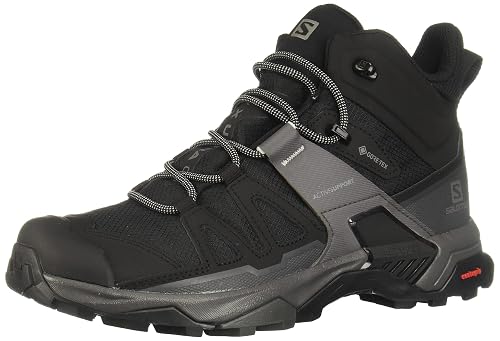
Guatemala's volcanic terrain — loose scoria, steep grades, muddy cloud forest paths — demands real hiking boots, not trail runners. Here's what actually performs on the volcanoes around Lake Atitlan:


Frequently Asked Questions
Do I need waterproof boots for Guatemala volcano hikes?
Yes, especially for Volcan San Pedro and the higher routes on Toliman and Atitlan. Cloud forests above 2,000m are perpetually damp, and rain can hit any time from May to October. GORE-TEX or eVent waterproofing is worth the extra cost. In dry season (Dec-Apr), non-waterproof breathable boots also work.
What sole is best for volcanic rock?
Vibram rubber soles with aggressive lug patterns offer the best grip on volcanic rock — which is notoriously slippery when wet or covered in fine ash. Look for boots labeled "hiking" not "trail running" — hiking boots have stiffer soles that protect feet on sharp volcanic scoria.
How much ankle support do I need for volcano hiking?
Mid-cut or high-cut boots are strongly recommended for Guatemala's volcanoes. The terrain is uneven and steep — ankle support reduces sprain risk significantly. San Pedro volcano has sections of loose rock where a rolled ankle is a real risk with low-cut shoes.
Can I hike the volcanoes in regular sneakers?
Technically possible for Volcan San Pedro (the most accessible), but not recommended. The volcanic trail is steep, rocky and can be slippery. Guides at San Pedro will often advise against climbing in flat sneakers. For Toliman and Atitlan, hiking boots are essential for safety.
This article contains affiliate links. As an Amazon Associate, we earn from qualifying purchases at no extra cost to you.