Altitude Sickness in Guatemala: How to Prevent It Before Climbing a Volcano
01 July 2026 · Diego Monzón
Add us as a preferred source on Google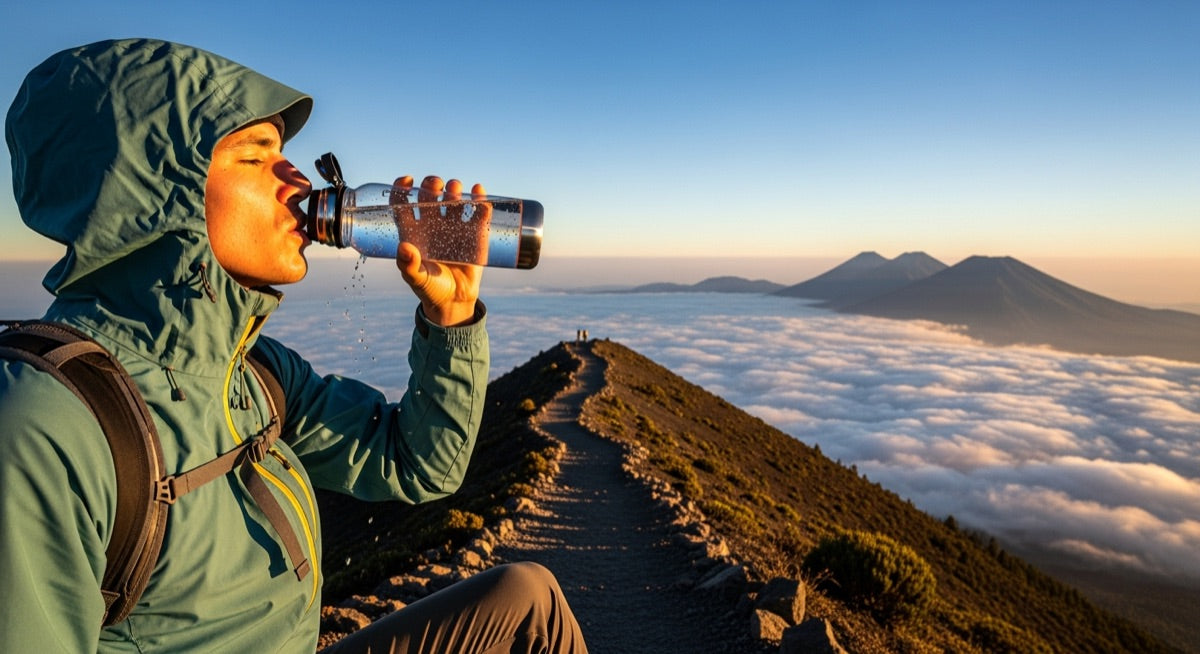
Guatemala is deceptive. Because the country is associated with jungle, beaches and a tropical climate, many travelers arrive with no idea that much of its territory sits at high altitude. Xela (Quetzaltenango) lies at 2,330 meters above sea level — higher than many European ski resorts. Acatenango volcano tops out at 3,976 meters, and temperatures at its summit regularly drop below freezing, with frost and even ice in the early morning hours. Underestimating that altitude is the number one mistake behind climbs that end badly.
Altitude sickness in Guatemala doesn't distinguish between athletes and beginners: it comes down to how fast you ascend and how your body arrives, not how many hours you've logged at the gym. The good news is that it's largely preventable with three simple things: gradual acclimatization, serious hydration with electrolytes, and the discipline to head down when your body asks for it. In this guide we'll show you how, using Lake Atitlan as your natural acclimatization base.
Important note: this article is for information only and is not a substitute for professional medical advice. If you have pre-existing health conditions or plan to climb above 3,500 meters, see a doctor before your trip.
Why altitude sickness catches so many travelers in Guatemala off guard
Acute mountain sickness (AMS) sets in when your body doesn't get time to adapt to the lower oxygen pressure at altitude. At 4,000 meters, every breath delivers roughly 40% less oxygen than at sea level. The problem in Guatemala is logistical: you can land in Guatemala City (1,500 m) in the morning and be sleeping at Acatenango base camp at 3,600 meters that same night. That jump is exactly what human bodies don't handle well.
These are the altitudes worth keeping in mind when planning your route:
- Lake Atitlan: 1,560 m — moderate altitude, ideal as a base.
- Antigua Guatemala: 1,530 m — similar to the lake.
- Xela (Quetzaltenango): 2,330 m — some people already feel mild symptoms here.
- San Pedro volcano: 3,020 m — a hard effort, moderate risk.
- Toliman volcano: 3,158 m — a long day at considerable altitude.
- Acatenango volcano: 3,976 m — a cold night at high camp, real risk of AMS.
- Tajumulco volcano: 4,220 m — the roof of Central America.
The general mountain rule says risk rises sharply above 2,500 meters, especially if you sleep at that altitude. Sleeping at the Acatenango camp, at around 3,500–3,600 meters, is the point in the Guatemalan itinerary where most cases occur.
Symptoms: spotting altitude sickness early
Symptoms usually appear 4 to 12 hours after reaching altitude, not right away. That's why so many travelers feel perfectly fine during the afternoon hike up and wake up sick at midnight in camp. The three classics are:
- Headache: the most common symptom, typically throbbing and worse when you bend over or exert yourself.
- Nausea and loss of appetite: your stomach "shuts down" and food stops appealing, right when you need the energy most.
- Insomnia and broken sleep: frequent wake-ups, irregular breathing through the night, and the feeling of not having rested at all.
Dizziness, disproportionate fatigue and a general hangover-like feeling can pile on top. In its mild form, AMS is unpleasant but manageable: hydrate, rest, and don't climb any higher until symptoms ease. The red flags — confusion, losing your balance when walking in a straight line, shortness of breath at rest, vomiting that won't stop — mean one thing only: descend now, with company, without waiting for sunrise.
Lake Atitlan as a natural acclimatization base
Here's where the itinerary works in your favor. At 1,560 meters, Lake Atitlan sits in the perfect pre-acclimatization band: high enough for your body to start adapting (more red blood cells, better breathing efficiency), and low enough that almost nobody feels symptoms. If you want to understand how the lake's altitude affects your stay, we have a dedicated page on the altitude of Lake Atitlan with practical details.
A sensible acclimatization strategy for someone coming from sea level looks like this:
- Days 1–2: arrive at the lake. Easy walks between villages, kayaking, nothing strenuous. Constant hydration.
- Days 3–4: an intermediate climb such as Toliman volcano (3,158 m) or San Pedro (3,020 m). You go up, touch altitude, and sleep back down at the lake — the "climb high, sleep low" pattern mountaineers swear by.
- Day 5 onward: with two intermediate climbs in your legs, you'll face Acatenango or Tajumulco in far better shape.
This order isn't just safer: it makes the whole thing more enjoyable. The difference between climbing Acatenango acclimatized and doing it straight off the plane is the difference between watching Fuego erupt with a cup of coffee in your hand and spending the night in your tent with your head about to explode.
Electrolyte hydration: the most accessible prevention there is
If you could only do one thing to lower your risk, this would be it. At altitude you lose water far faster than normal: dry mountain air dehydrates you with every breath, your breathing speeds up from the lack of oxygen, and the effort of the climb adds sweat even in the cold. Dehydration mimics and worsens altitude sickness symptoms — headache, fatigue, dizziness — creating a vicious cycle that's hard to break at 3,500 meters.
But there's an important nuance: water alone is not enough. On efforts lasting several hours, drinking only water dilutes the sodium in your blood and can leave you feeling just as bad. What your body needs is water plus electrolytes — sodium, potassium and magnesium — which replace what you lose through sweat and help you retain the fluid you drink.
The practical protocol we recommend to anyone climbing volcanoes from the lake:
- 24 hours before: start hydrating seriously. Arriving already hydrated is worth more than chugging liters during the climb.
- During the ascent: half a liter to a liter per hour of effort, alternating plain water with water + electrolytes. Small, frequent sips, not big gulps.
- At camp: a hot drink with electrolytes before bed helps with both the cold and the night.
- What to avoid: alcohol the night before and too much coffee on climb day — both dehydrate you, and alcohol also masks early symptoms.
A thermos, a camelback-style hydration system and electrolyte packets weigh almost nothing and completely change the experience. These are the products that have worked for us on the lake's volcanoes:

Nuun Hydration Electrolyte Tablets, Mixed Fruit, 5 Essential Electrolytes + Vitamins
Check price on Amazon →
SaltStick Electrolyte FastChews - 90 Count Chewable Electrolyte Tablets
Check price on Amazon →

SaltStick Electrolyte Capsules with Vitamin D for Endurance Sports
Check price on Amazon →
Climbing strategy: from lower to higher
With hydration sorted, the second pillar is the order of your volcanoes. The three around the lake are the perfect training ground before Acatenango. San Pedro volcano (3,020 m) can be climbed and descended in a day from the lake, on a maintained trail with forest shade — check our gear guide before you go. Toliman (3,158 m) is tougher and less traveled, ideal as a second test. Both follow the ideal pattern: effort at altitude during the day, rest at 1,560 meters at night.
For Acatenango, on top of the altitude, be ready for genuinely cold summit conditions: sub-zero temperatures, wind and frost are normal during the pre-dawn summit push. Cold speeds up dehydration (you don't feel thirsty, but you keep losing water) and your body burns extra energy staying warm. Gloves, a beanie, thermal layers and that thermos of hot drink aren't luxuries: they're part of your prevention.
When to descend: the non-negotiable rule
Everything above lowers the risk, but doesn't eliminate it. That's why the final piece is knowing when to turn around. The golden rule of mountaineering applies unchanged in Guatemala:
- Mild symptoms (a headache that eases with water and rest): don't climb any higher. Stay at the same altitude until you improve.
- Symptoms that worsen despite rest and hydration: descend. Dropping 300–500 meters is usually enough to feel clearly better.
- Red flags (confusion, inability to walk in a straight line, gasping at rest): immediate descent with company, and medical attention as soon as possible.
The summit isn't going anywhere. Local guides on Acatenango and the lake's volcanoes know these protocols — listen to them, and tell your guide at the first symptom instead of toughing it out in silence.
About acetazolamide (Diamox), the best-known preventive medication: it works for many people, but it requires a prescription, has contraindications (sulfa allergy, for example) and side effects worth knowing about beforehand. Don't take it on another traveler's recommendation: talk to your doctor before the trip and decide together whether it makes sense for you.
Frequently asked questions about altitude sickness in Guatemala
At what altitude does altitude sickness start in Guatemala?
Most people start to notice mild effects above 2,500 meters (8,200 ft), though some feel symptoms from as low as 2,000 meters. In Guatemala that means Xela (2,330 m) can already cause mild discomfort, and volcanoes like Acatenango (3,976 m) or Tajumulco (4,220 m) sit squarely in the risk zone. Susceptibility is individual and has nothing to do with how fit you are.
Is Lake Atitlan a good base for acclimatizing?
Yes. At 1,560 meters, the lake sits at an ideal intermediate altitude: high enough for your body to start adapting, but below the threshold where symptoms appear. Spending 2 or 3 nights at the lake before climbing Acatenango or Tajumulco noticeably reduces your risk compared to heading up straight from the coast or fresh off the plane.
What should I take to prevent altitude sickness?
The most effective accessible measure is steady hydration with electrolytes (sodium, potassium, magnesium), starting 24 hours before your climb. Water alone isn't enough on long efforts because it dilutes the electrolytes you lose through sweat. As for preventive medication like acetazolamide, talk to a doctor before your trip: it requires a prescription and individual assessment.
When should I descend if I feel sick on the volcano?
Descend immediately if your headache doesn't ease with hydration and rest, or if there's repeated vomiting, confusion, loss of coordination while walking, or trouble breathing at rest. Descending is the only definitive treatment for altitude sickness: dropping just 300 to 500 meters usually brings clear improvement. Never keep climbing with worsening symptoms.
This article contains affiliate links. As an Amazon Associate, we earn from qualifying purchases at no extra cost to you.