Best Sleeping Bag for Tropical Highlands: Guatemala Camping Guide
21 June 2026 · Diego Monzón
Add us as a preferred source on Google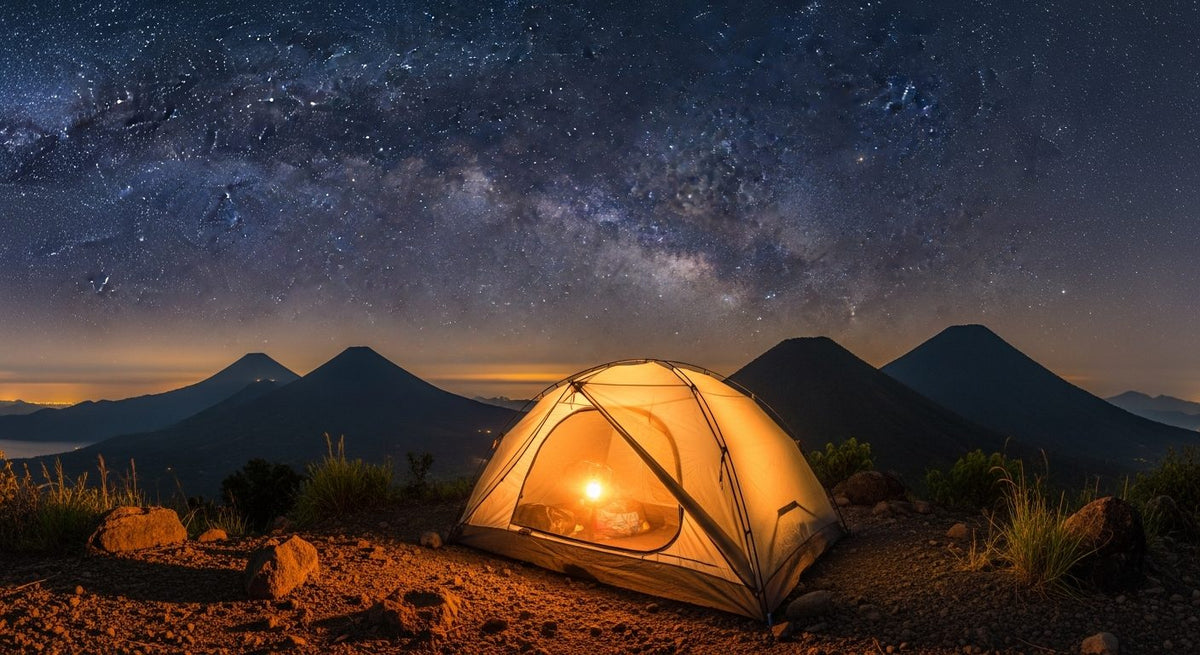
Guatemala's highlands catch most travelers off guard. You pack for tropical heat, step off the bus in Panajachel, and suddenly you're shivering at midnight with nothing but a thin hostel blanket between you and the cold lake air. Lake Atitlan sits at 1,560 meters above sea level, and the volcanoes rising above it reach over 3,500 meters. Whether you're camping on the shores of the lake, attempting a summit of Volcán Tolimán, or sleeping under the stars somewhere between the western highlands and the coast, a good sleeping bag is one piece of gear you'll genuinely use. This guide breaks down the best sleeping bags for Guatemala's tropical highland climate — tested and reviewed so you don't have to guess.
Why Guatemala's Climate Demands a Specific Type of Sleeping Bag
Guatemala doesn't fit the usual tropical stereotype. The lowland jungles of Petén and the Pacific coast are hot and humid year-round, but the highlands — which is where most backpackers spend the majority of their time — tell a completely different story. The Altiplano experiences cool nights even during the warmest months, and during the dry season (November through April), temperatures at Lake Atitlan can dip to 12°C (54°F) after midnight. Volcano summits are another category entirely: at 3,537 meters, the summit of Volcán San Pedro regularly sees temperatures below 5°C, and summit campers on Acatenango regularly wake up to frost.
The wet season (May through October) introduces its own challenge: humidity. Cloud forest hiking means your gear gets damp, and damp insulation that can't retain warmth becomes a genuine cold-weather hazard at altitude. This is why choosing the right fill type matters as much as the temperature rating.
How to Choose a Sleeping Bag for Guatemala Camping
Before you buy, consider these key factors specific to Guatemala travel:
Temperature Rating: For Lake Atitlan and the western highlands, a comfort rating of 10°C (50°F) is the sweet spot for three-season use. If you plan to camp at volcano summits or travel during the coldest dry-season months, step up to a 0°C bag. Avoid going too warm — a bag rated for -10°C will leave you sweating through lowland nights in Flores or the Río Dulce.
Fill Type — Down vs. Synthetic: Down bags are lighter and compress smaller, making them ideal for dry-season highland camping and volcano ascents. Synthetic bags cost less, perform better when damp, and are the safer choice for wet-season travelers moving through cloud forests and humid valleys. For most first-time Guatemala backpackers, synthetic wins on practicality.
Weight and Pack Size: If you're doing serious multiday treks — the Cuchumatanes, the Nebaj circuit, volcano-to-volcano routes — weight matters. A bag that compresses to the size of a Nalgene bottle is worth paying extra for. For hostel-hopping travelers who only camp occasionally, a slightly heavier bag is fine.
Packability: Many Guatemala hostels provide blankets, but their quality varies wildly. A sleeping bag liner (silk or cotton, around 300g) is a smart minimalist option for travelers who aren't planning dedicated camping trips — it adds warmth to any bed and packs to the size of a water bottle.
Budget: Guatemala is a budget destination, but that doesn't mean you should cut corners on sleep system gear. A bad night's sleep at altitude, or worse, a night too cold to sleep at all, ruins the next day's hiking. Spend what you need to sleep comfortably.
The Best Sleeping Bags for Lake Atitlan and the Guatemalan Highlands
After testing options across multiple Guatemala trips — including nights on the shores of the lake in San Marcos La Laguna, a summit camp on Volcán Acatenango, and several nights in the Cuchumatanes — these are the bags that earned their place in a Guatemala packing list. The product recommendations below cover a range of budgets and use cases, from dedicated trekkers to casual campers who just want a backup for cold hostel nights.
Camping Spots Around Lake Atitlan Worth Knowing
One of the most underrated things about Lake Atitlan is that camping is genuinely possible and rewarding — if you know where to go. The lake is surrounded by communal indigenous land, so wild camping requires permission from local communities, which is usually granted if you ask respectfully in advance.
The best accessible camping near the lake is at Cerro Tzankujil in San Marcos La Laguna, a nature reserve with a small entry fee and stunning lakeside cliffs. Several independent guides around San Pedro La Laguna also organize camping permits on private land with views of the lake and the volcanoes. The Reserva Natural Atitlan near Panajachel has organized camping infrastructure, though it tends to attract school groups on weekends.
If you're planning a sunrise hike up one of the lakeside volcanoes, overnight camping at the base camp significantly improves your summit odds — you start hiking at 3am before cloud cover rolls in, which means you need a bag that keeps you warm through the coldest pre-dawn hours. Read our guide to climbing Volcán Tolimán for route details and what to bring.
After your highland camping adventures, the lake itself offers a beautiful payoff. Check out the best spots for swimming in Lake Atitlan — the water temperature in the shallows is surprisingly pleasant during dry season afternoons.
What to Pack Alongside Your Sleeping Bag
A sleeping bag alone doesn't make a complete sleep system. For Guatemala camping, pair your bag with:
A sleeping pad: Insulation underneath you matters as much as above. Cold ground draws heat from your body faster than cold air. A lightweight foam pad or inflatable pad rated to at least 10°C adds warmth and comfort on rocky lake shores or cloud forest clearings.
A sleeping bag liner: A silk or cotton liner adds 5-10°C of warmth to any bag and doubles as a standalone sleep layer in warm coastal areas. For minimalist travelers not doing dedicated camping, a liner and the hostel blanket covers 80% of Guatemala sleeping situations.
Moisture management layers: Wear a merino wool base layer to bed rather than cotton. Merino regulates temperature, wicks moisture, and doesn't develop the cold-clammy feeling of synthetic base layers when you're sleeping in humid highland air.
A dry bag for your sleep system: During wet season hiking, waterproof your sleeping bag inside your pack. A damp bag that can't insulate is a genuine safety issue at 3,000 meters.
Our Verdict: Best All-Around Pick for Guatemala
For most Guatemala travelers — those splitting time between lake villages, highland hikes, and the occasional volcano summit attempt — a synthetic sleeping bag rated to 10°C comfort (50°F) is the right call. It handles the wet season honestly, costs less than an equivalent down bag, and performs reliably in the cool but not extreme temperatures that define the Guatemalan highlands. If your trip is exclusively dry-season and weight matters (you're doing multiday volcano treks with heavy packs), a down bag at a similar temperature rating saves meaningful weight over a full trek. Whatever you choose, the investment is worth it — good sleep at altitude changes how you experience the next day entirely.
Best Sleeping Bags for Guatemala Highland Camping
Guatemala's highlands sit at 1,500-2,500m — warm days but surprisingly cold nights. A sleeping bag rated for 10-15°C (50-60°F) hits the sweet spot for volcano base camps and highland camping near the lake:

Kelty Cosmic 20 Down Mummy Sleeping Bag for Backpacking, Campers, 550 Fill Power
$189.95
Check Price on Amazon →
NEMO Equipment Disco Men's & Women's Endless Promise Down Sleeping Bag
$299.79
Check Price on Amazon →
Marmot Men's Trestles 30° Sleeping Bag | Insulated, Water-Resistant, Left-Zip, Long
$90.30
Check Price on Amazon →
Marmot Men's Trestles 30° Sleeping Bag | Insulated, Water-Resistant, Left-Zip
$83.30
Check Price on Amazon →
Teton 20F and 5F Degree Sleeping Bag; Lightweight, Warm Weather Mummy Sleeping Bag
$83.29
Check Price on Amazon →Frequently Asked Questions
What temperature sleeping bag for Lake Atitlan?
Lake Atitlan sits at 1,560m. Nighttime temperatures range from 12-18°C (54-64°F) in dry season, and 15-20°C in wet season. A 10°C (50°F) comfort-rated bag is ideal — warm enough for the coldest nights but not suffocating in warmer weather. For volcano summit camping (3,000m+), a 0°C bag is needed.
Can I camp near Lake Atitlan?
Yes. Several spots allow camping: Cerro Tzankujil in San Marcos La Laguna (pay a small fee), private land near San Pedro La Laguna (ask local guides), and organized camping near the Reserva Natural. Wild camping is possible but check with local communities first — the land around the lake is communal indigenous territory.
Is a sleeping bag necessary for Guatemala backpacking?
Not always. Budget hostels and guesthouses around Lake Atitlan provide blankets. But a lightweight sleeping bag (or sleeping bag liner) is useful for chicken bus overnight trips, camping, volcano summit attempts, and hostels with thin blankets. A silk/cotton liner (300g) adds 5-10°C and packs to the size of a water bottle.
Down vs synthetic sleeping bag for Guatemala?
Synthetic is better for Guatemala's wet season (May-October) — synthetic fill insulates even when wet, which matters when hiking in cloud forests and camping in humidity. Down is lighter and warmer for dry season highland camping. A 3-season synthetic bag rated to 10°C covers Guatemala perfectly for most travelers.
This article contains affiliate links. As an Amazon Associate, we earn from qualifying purchases at no extra cost to you.