Best Travel Drone for Guatemala Photography (2026)
21 June 2026 · Diego Monzón
Add us as a preferred source on Google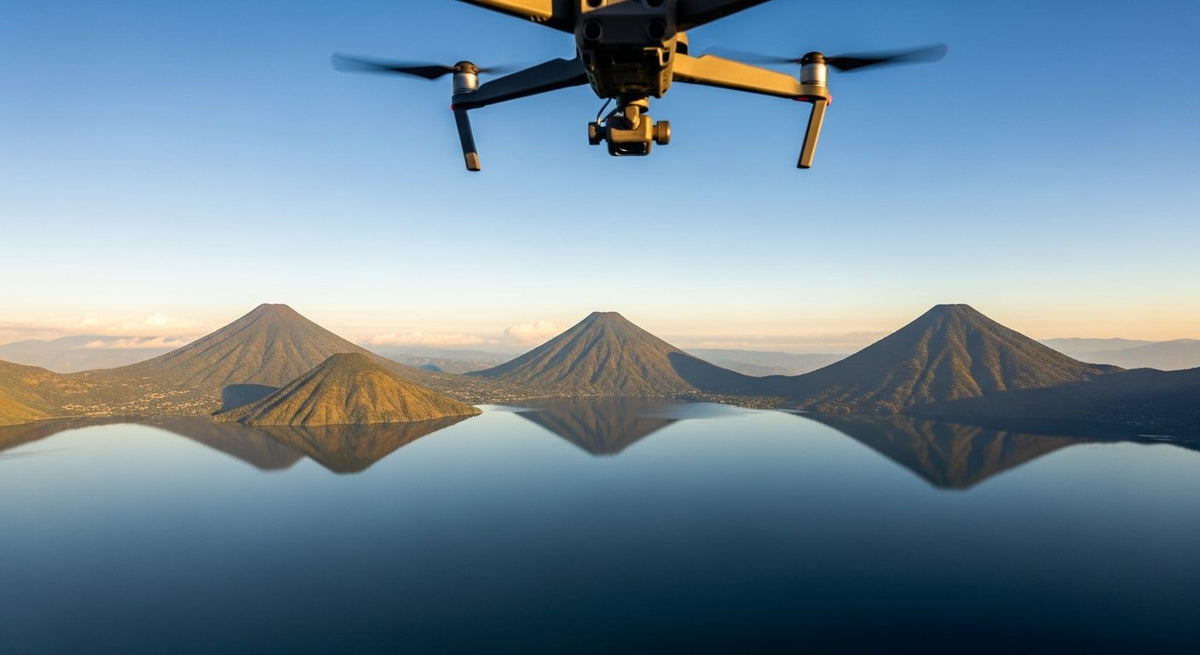
Lake Atitlan is one of those rare places that humbles even the most seasoned photographer. Ringed by three towering volcanoes — Atitlan, Toliman, and San Pedro — and dotted with colorful Maya villages clinging to steep hillsides, this highland lake in Guatemala delivers scenery that feels almost too cinematic to be real. A travel drone transforms the experience entirely, unlocking aerial perspectives that no hiker or boat passenger can replicate: the sunrise mist curling off the water, the patchwork of milpa fields stitching the slopes together, and the sheer geological drama of calderas and craters seen from above. If you are planning a trip to Atitlan and want to bring home footage that does justice to this landscape, choosing the right drone is one of the best investments you can make before you board your flight.
Why Lake Atitlan Is a Drone Photographer's Dream
Few destinations in Central America match the visual diversity that Atitlan packs into a single frame. From 100 meters above the surface you can capture all three volcanoes in one wide shot, watch fishing boats trace white wakes across impossibly blue water, and document the mosaic of villages — Panajachel, San Pedro La Laguna, Santiago Atitlan, Santa Cruz — each with its own color palette of traditional textiles and architecture. The altitude of the lake (approximately 1,562 meters above sea level) also means cleaner air and often dramatic cloud formations that make for cinematic b-roll. Pair aerial shots with ground-level content from activities like climbing Volcan Toliman or swimming in Lake Atitlan's clearest bays, and you have a travel film that tells a complete story. The one caveat: the famous Xocomil afternoon wind can ground even capable drones after midday, so smart scheduling matters as much as the gear you pick.
How to Choose the Right Travel Drone for Guatemala
Before you start comparing camera specs, there are a few practical filters that matter more than megapixels when you are traveling internationally.
Weight and regulations. Guatemala's civil aviation authority (DGAC) requires registration for drones over 250 grams. The DJI Mini series sits at 249g and avoids this hurdle for recreational flyers, making it significantly more travel-friendly. Always check current rules at DGAC.gob.gt before your trip, as regulations evolve.
Wind resistance. The Xocomil wind at Atitlan is notorious. It typically arrives between noon and 2pm, and gusts can reach 40–60 km/h. A drone with stronger motors and better stability algorithms — such as the DJI Air 3 — gives you more margin, but even a Mini 4 Pro handles calm morning conditions with ease. Plan to fly between 6am and 11am whenever possible.
Battery life. Longer flights mean fewer interruptions during golden hour. Look for 30-plus minutes of rated flight time, and carry at least two batteries. High-altitude locations can slightly reduce battery efficiency.
Camera quality. For photography, a 48MP sensor captures enough resolution to crop aggressively without losing detail. For video, 4K at 60fps gives you smooth slow-motion options in post. HDR modes help when the bright sky and shadowed hillsides create high-contrast scenes — common at Atitlan.
Portability. You will likely be hauling your drone through boat rides, tuk-tuks, and hikes. A foldable design that fits inside a regular daypack matters more than you think after the first full day on the road.
Obstacle avoidance. Flying around steep terrain, power lines in villages, and the occasional curious hawk is safer with omnidirectional sensors. Entry-level drones often cut this feature to reduce cost — a trade-off worth considering.
Top Travel Drones for Guatemala Photography (2026)
After evaluating portability, camera performance, wind handling, and regulatory compliance for Guatemala travel, these are the drones that stand out in 2026. Whether you are a hobbyist documenting a bucket-list trip or a content creator building a Central America series, one of these will fit your workflow.
DJI Mini 4 Pro — Best Overall for Atitlan
The DJI Mini 4 Pro has become the de facto standard for traveling content creators, and for good reason. At exactly 249 grams it sits just under the registration threshold in most countries, including Guatemala for recreational use. The camera shoots 4K at 60fps and captures 48MP stills with a wide-aperture lens (f/1.7) that performs well in the low-light conditions of early morning over the lake. Omnidirectional obstacle avoidance gives you confidence when flying near the steep terrain around Santiago or close to the waterfall above San Juan. The 34-minute battery life is the longest in its class. If you only buy one drone for a Guatemala trip, this is it.
DJI Air 3 — Best for Windy Conditions
If you want to push through the early afternoon Xocomil gusts or capture footage in challenging weather, the DJI Air 3 is the step up to consider. It weighs 720 grams, which means you will need to comply with DGAC registration for professional or commercial use, but its dual-camera system (wide + 3x medium telephoto) and stronger motors make it notably more stable in wind. The telephoto lens is particularly useful at Atitlan — you can compress the distance between a village on the shore and the volcano behind it for a stunning perspective that wide lenses cannot achieve. Battery life hits 46 minutes in ideal conditions.
DJI Mini 3 — Best Budget Pick
Not everyone needs the full feature set of the Mini 4 Pro. The DJI Mini 3 drops some of the obstacle avoidance sensors and slightly reduces wind resistance, but it still shoots 4K video and 48MP photos, weighs 249g, and costs significantly less. For photographers on a tighter budget who plan to fly only in calm morning conditions — which is the smart play at Atitlan regardless of your drone's specs — the Mini 3 delivers excellent image quality for the price. It is a strong choice for first-time drone owners heading to Guatemala.
Autel EVO Nano+ — Best DJI Alternative
If you want to diversify away from DJI's ecosystem, the Autel EVO Nano+ deserves serious consideration. It weighs 249g, shoots 4K video, and features a 50MP sensor with a 1/1.28-inch size — larger than most in this weight class — which translates to better dynamic range when you are exposing for both the bright Guatemalan sky and darker forested hillsides simultaneously. Autel's obstacle avoidance on the Nano+ is solid for its category. The app experience is less polished than DJI's, and the accessory ecosystem is smaller, but the image quality competes directly with the Mini 4 Pro at a similar price point.
Packing and Flying Tips for Guatemala
Travel with your drone in carry-on luggage — checked drone batteries are restricted on most airlines, and lithium batteries should always be with you in the cabin. Bring a ND filter set (ND4, ND8, ND16) for shooting over the reflective lake surface; without them your footage will be overexposed during daylight hours. A small silica gel pack inside your drone case helps manage moisture during the rainy season (May through October). Always introduce yourself to locals before flying near villages — cultural sensitivity matters enormously in indigenous Maya communities around the lake, and the goodwill you earn by asking permission often leads to better access and more authentic footage. Finally, scout your takeoff and landing spots the evening before so you are ready to fly the moment morning light hits the water.
Best Drones for Lake Atitlan Aerial Photography
Lake Atitlan from above is jaw-dropping — three volcanoes, 12 villages, and crystal blue water. These are the drones that fit in your backpack and capture it all:

DJI Mini 4 Pro Fly More Combo with DJI RC 2, Drones with Camera for Adults 4K, Under 0.549 lbs/249 g
$879.20
Check Price on Amazon →
DJI Mini 3 Fly More Combo (DJI RC), Drones with Camera for Adults 4K, 3 Batteries for 114-min Flight Time
$699.99
Check Price on Amazon →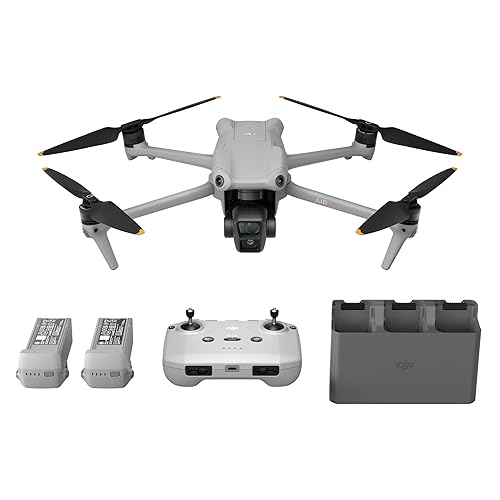
DJI Air 3 Fly More Combo with RC-N2 Remote Controller, Drone with Camera 4K, Dual Primary Cameras
$1,779.00
Check Price on Amazon →
DJI Mini 4K, Drone with 4K UHD Camera for Adults, Under 249 g, 3-Axis Gimbal Stabilization, 10km Video
$269.10
Check Price on Amazon →
Holy Stone HS175G GPS Drone With 4K EIS Camera For Adults, 249g Foldable RC Quadcopter With Auto Return
$139.99
Check Price on Amazon →Frequently Asked Questions
Is drone flying legal at Lake Atitlan Guatemala?
Yes, recreational drone use is permitted in Guatemala with some restrictions. Drones must be registered with DGAC (Dirección General de Aeronáutica Civil) if over 250g. The DJI Mini 4 Pro (249g) falls under the threshold in most countries. Avoid flying over crowds, near airports, and above 120m. Always get permission from local communities before filming.
What is the best drone for Lake Atitlan photography?
The DJI Mini 4 Pro is the ideal choice: 249g (no registration in most countries), 4K/60fps video, 48MP photos, 34-minute battery life, and obstacle avoidance. The view of the three volcanoes and villages from 100m altitude is stunning. The Mini 3 is a budget alternative with slightly less wind resistance.
How windy is it at Lake Atitlan for drone flying?
Morning hours (6am-11am) are usually calm and ideal for flying. After noon, the Xocomil wind picks up and can reach 40-60 km/h — dangerous for most consumer drones. The DJI Air 3 handles wind better than Mini series. Always fly in the morning and land before noon.
What permits do I need for a drone in Guatemala?
For recreational use under 250g (DJI Mini series): no permit required currently, but check DGAC.gob.gt for current regulations as they update frequently. For commercial/professional use or drones over 250g: registration with DGAC required, $50-100 USD fee, aviation knowledge test. Most travel bloggers and tourists use Mini series to avoid paperwork.
This article contains affiliate links. As an Amazon Associate, we earn from qualifying purchases at no extra cost to you.