Birdwatching at Lake Atitlán: Gear and Field Guide
09 July 2026 · Diego Monzón
Add us as a preferred source on Google
Few places in Central America pack so much birdlife into so little space as Lake Atitlán. Ringed by three volcanoes, cloud forests, shade-grown coffee plantations and highland wetlands, this corner of Guatemala works as a corridor where resident, migratory and endemic species live side by side. For anyone travelling with birds on their mind, Atitlán is no second-tier stop: it is one of the country's must-visit destinations.
If you've already settled on which binoculars to bring, the next step is just as important and often forgotten: the right field guide, the accessories that let you watch comfortably for hours, and knowing where and when to head out. This guide focuses on exactly that, so you make the most of every sunrise beside the lake.
Why Atitlán is a birdwatcher's paradise
Atitlán's richness springs from its vertical geography. In just a few kilometres you go from the lakeshore, at 1,560 metres, up to highland forests above 2,500 metres on the flanks of the Atitlán, Tolimán and San Pedro volcanoes. That elevation gradient creates distinct microclimates and, with them, different bird communities you can work through in a single day.
The lake also carries a poignant story: the Poc bird, or Atitlán grebe (Podilymbus gigas), an endemic waterbird that existed only here and was declared extinct in the 1980s. Its memory is now a symbol of conservation and a reminder of why responsible birding matters so much in this place.
Among what you can see, the list will thrill anyone: the motmot with its pendulum tail, several species of hummingbirds squabbling over garden flowers, striking-billed emerald toucanets, migratory warblers arriving from the north between October and March, honeycreepers, blazing-coloured tanagers and raptors soaring over the slopes. With patience, a good day can leave you with between 40 and 60 species.
The field guide: your most important tool
Good binoculars bring the bird closer; a good field guide turns it into knowledge. Learning to identify what you see multiplies the enjoyment and teaches you to anticipate which species to expect in each habitat. For Guatemala, the modern reference is Birds of Central America (Vallely and Dyer), which covers the whole country along with the rest of the isthmus, with illustrated plates, distribution maps and plumage descriptions that settle field doubts.
Compared with a phone app, the printed book has real advantages at Atitlán: it doesn't depend on battery or signal —scarce on many trails—, it lets you compare plates at a glance and it won't distract you with notifications. Many birders combine both: the app for song and the book for unhurried visual identification. If you travel with companions who are just starting out, a single shared guide already transforms the whole group's experience.
Practical tip: spend the evenings beforehand leafing through the plates of the families you'll see —motmots, hummingbirds, tanagers, warblers— so that recognition in the field is almost instant. Marking observed species in pencil turns your guide into a travel journal you'll treasure.

Birds of Central America: Belize, Guatemala, Honduras, El Salvador, Nicaragua, Costa Rica, Panama
$29.97
Check price on Amazon →

Accessories that make the difference on long days
Birdwatching done well means spending several hours on your feet, looking up and carrying gear. That's where the right accessories decide whether you finish the day fresh or worn out.
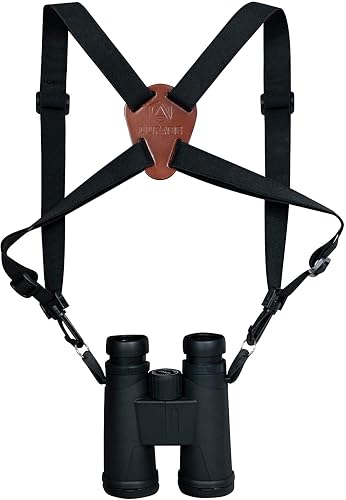
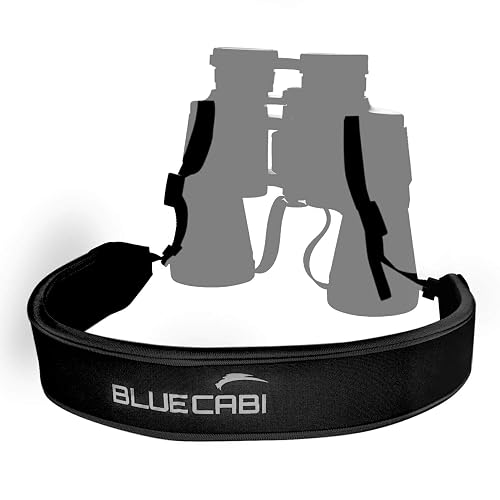
The most transformative is the binocular harness. The traditional neck strap loads all the weight on the back of your neck and, after a couple of hours climbing highland trails, you feel it. A harness spreads the weight across your shoulders and back, keeps the binoculars snug against your chest without swinging as you walk, and lets you carry them ready to use without fatigue. On the slopes of Cerro Tzankujil or around Panajachel, it's the difference between enjoying and enduring the hike.
Add to that a lightweight daypack for water, guide, rain layer and snacks; a wide-brimmed hat and sunscreen, because the high-altitude sun is deceptive; and a waterproof notebook or notes app to record your list. If you take photography or canopy scanning seriously, a lightweight monopod steadies heavy binoculars and scopes without the bulk of a full tripod.
The best hours and the best spots
Timing rules. Birds are most active in the two hours after sunrise, when they sing, feed and show themselves before the heat builds. At Atitlán this is doubly true: by midday the wind —the famous Xocomil— rises over the lake and activity drops. A second surge comes in mid-afternoon, before dusk. Getting up early isn't optional for the serious birder; it's the rule.
As for places, Cerro Tzankujil, next to San Marcos La Laguna, is a municipal nature reserve with trails through dry forest and viewpoints over the water, ideal for hummingbirds, motmots and scrub birds. The Atitlán Nature Reserve, near Panajachel, offers trails through shade forest, a butterfly aviary and good odds of toucanets and tanagers. The lakeside hotel gardens, the shade-grown coffee plantations and the wetlands near Panajachel round out a circuit you can put together according to the days you have.
Hiring a local guide multiplies the results: they know the roosts, the singing spots and the birds of the moment, and their knowledge sustains the conservation economy of the lake's communities.
Birding ethics: watching without disturbing
The extinction of the Poc bird is the best lesson in why to watch responsibly. A few simple rules protect what we come to admire: keep your distance and use your optics instead of getting closer; never use repeated song playback to lure birds, especially during nesting season; never touch nests or chicks; stay on marked trails so you don't trample habitat; and keep quiet and wear muted colours to go unnoticed.
Ethical birdwatching doesn't shrink your list: it improves it, because calm birds behave naturally and show themselves better. In a place that has already lost a unique species, every careful visitor is part of the solution. To find out what other wildlife you'll share the trail with, check our guide to the animals and nature of Lake Atitlán, and if you want to fine-tune your optics before the trip, see our comparison of binoculars for birdwatching at Atitlán.
Build your perfect birding day at Atitlán
The recipe is simple: a field guide covering Guatemala, comfortable binoculars thanks to a good harness, a couple of accessories to last the day, an early start at sunrise and absolute respect for the birds and their habitat. With that, a sunrise at Cerro Tzankujil or at the Atitlán Nature Reserve can become one of the most vivid memories of your trip to Guatemala's most beautiful lake.
Frequently asked questions
What is the best time of year for birdwatching at Lake Atitlán?
From October to March, northern migratory birds join the residents, so variety is greater. Even so, Atitlán offers good birding all year round; the dry season (November to April) also makes the trails easier. Any season rewards the early riser.
Do I need a field guide if I already have an app on my phone?
They complement each other. The app is handy for songs, but on Atitlán's trails signal and battery fail, and comparing plumages on a screen is slow. A book like Birds of Central America works offline, lets you see several species at a glance and won't distract you in the field.
Why do you recommend a harness instead of the neck strap?
Because on days of several hours along highland trails the strap concentrates the weight on the back of your neck and tires you out. The harness spreads it across your shoulders and back, stops the binoculars from swinging as you walk and keeps them ready to use. It's the accessory your body will thank you for the most.
Can I still see the Poc bird at Atitlán?
No. The Poc bird, or Atitlán grebe, was endemic to the lake and was declared extinct in the 1980s. Its story is now a symbol of conservation. You will see many other water and forest birds, and watching them responsibly helps protect those that remain.
This article contains affiliate links. As an Amazon Associate, we earn from qualifying purchases at no extra cost to you.