Travel First Aid Kit for Guatemala: What to Pack and What to Buy There
01 July 2026 · Diego Monzón
Add us as a preferred source on Google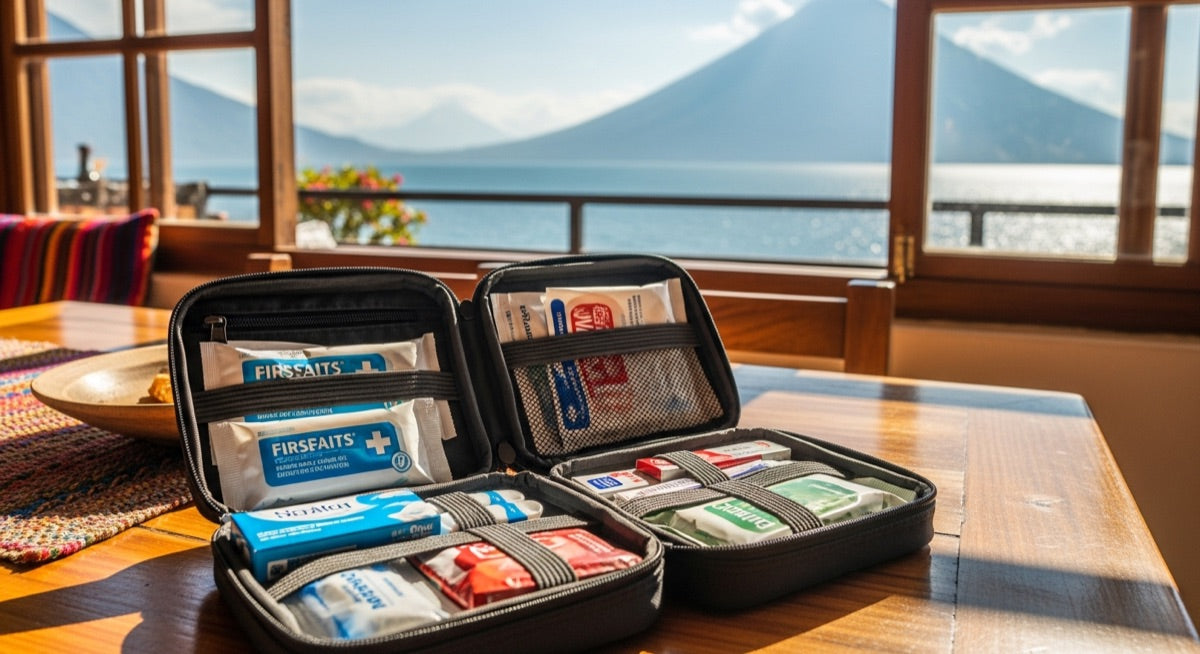
Guatemala rewards you with volcanoes, lakes and Maya villages, but it also puts your body to the test: tempting street food, altitudes above 3,000 meters, high-altitude tropical sun, mosquitoes on the coast and volcanic-rock trails that wreck unprepared feet. A good travel first aid kit for Guatemala isn't paranoia — it's the difference between losing a day in bed in Panajachel and carrying on with your itinerary like nothing happened.
This guide comes from real experience traveling around Lake Atitlán and the highlands: which ailments are the most common, what your kit should include, what's worth packing ready-made from home, what you can safely buy at local pharmacies and — crucially — when to stop self-medicating and see a doctor.
The 5 most common health problems for travelers in Guatemala
1. Stomach trouble (the famous "Montezuma's revenge")
By far the number one problem. Traveler's diarrhea hits a good share of visitors to Central America, almost always from unpurified water or poorly handled food. Around Atitlán the typical risks are ice of dubious origin, salads washed in tap water and sauces sitting in the sun for hours. The golden rule: bottled water always, food well cooked and served hot, and only fruit you peel yourself. Even with all the care in the world, it can still get you — that's why oral rehydration salts and an anti-diarrheal are non-negotiable in your kit.
2. Altitude sickness on the volcanoes
Lake Atitlán sits at about 1,560 meters — a gentle altitude. But if you climb San Pedro Volcano (3,020 m), Acatenango (3,976 m) or Tajumulco (4,220 m), your body will feel it: headache, nausea, disproportionate fatigue. Most travelers arrive from sea level and climb a volcano within two days — a perfect recipe for altitude sickness. Drink plenty of water, climb at a steady pace, take ibuprofen for the headache and, if you're prone to it, talk to your doctor about acetazolamide before the trip.
3. Mosquito bites and dengue in the lowlands
In the Atitlán basin mosquitoes are mostly a nuisance at dusk, but the real risk lies in the country's lowlands: the Pacific coast (Monterrico), Izabal, Petén and Río Dulce, where dengue is endemic. There is no preventive pill for dengue; the only defense is not getting bitten. Repellent with 25–30% DEET or picaridin, long sleeves at dusk and, if you sleep in hot areas with open windows, a mosquito net. Also pack a hydrocortisone cream or an antihistamine to soothe the bites that do happen.
4. Blisters and chafing from trekking
Atitlán's trails — the Santa Cruz to San Marcos hike, Indian Nose, any volcano — combine loose volcanic rock, dust and humidity. Brand-new, unbroken-in boots plus damp cotton socks is the classic formula for the blister that ruins the rest of your trip. Hydrocolloid patches (Compeed-style) are pure gold: they prevent if you apply them at the first hot spot and heal if you got there too late. Add athletic tape and petroleum jelly for friction points.
5. High-altitude sun: burns you don't see coming
At 1,500–3,000 meters UV radiation is far more intense than at sea level, and the cool highland air fools you: you don't feel hot, but you are burning. It's the most common mistake on the lake boats and on the summits. SPF 50+ water-resistant sunscreen, reapplied every 2 hours, plus a hat and UV-filter sunglasses. An aloe vera gel in your kit will save you whole nights if you've already overdone it. If you're going to combine daytime sun with cold highland nights, also check our guide on what to pack for Atitlán's cold high-altitude weather.
What your travel first aid kit for Guatemala should include
This is the base list, road-tested. You don't need a traveling pharmacy: all of this fits in a waterproof pouch the size of a book.
- Stomach: oral rehydration salts (several sachets), loperamide (anti-diarrheal), bismuth subsalicylate, antacid and probiotics.
- Pain and fever: ibuprofen and paracetamol (both: one for inflammation and altitude sickness, the other if your stomach is upset).
- Mosquitoes: repellent with 25–30% DEET or picaridin, 1% hydrocortisone cream and an oral antihistamine (loratadine or cetirizine).
- Feet and wounds: hydrocolloid blister patches, adhesive bandages in several sizes, sterile gauze, micropore tape, antiseptic solution (chlorhexidine or iodine) and tweezers.
- Sun: SPF 50+ sunscreen, SPF lip balm and aloe vera gel.
- Extras you'll always be glad to have: thermometer, small scissors, nitrile gloves, water purification tablets and your personal prescription medication (in its original packaging).
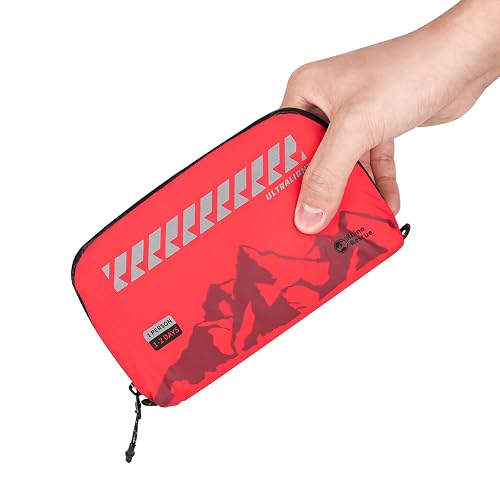
RHINO RESCUE Small First Aid Kit Ultralight Water-Resistant for Hiking, Backpacking, Travel
$20.99
Check price on Amazon →


SurviveX Small First Aid Kit for Travel - Emergency Kit for Hiking, Camping
$44.99
Check price on Amazon →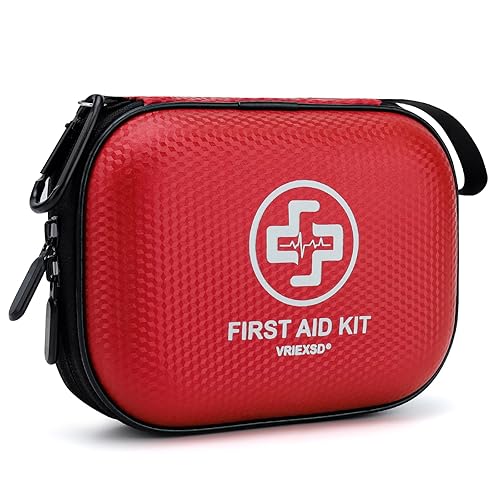
Mini First Aid Kit - 150 Piece Small Waterproof Hard Shell Medical Kit
$9.99
Check price on Amazon →What to pack ready from home and what to buy in Guatemala
There's no point hauling half a kilo of things you can get around the corner in Panajachel. Here's the smart split:
Bring it ready from home
- Personal prescription medication (birth control, thyroid, blood pressure, inhalers): your exact brand may not exist locally.
- Quality hydrocolloid patches: you can find them, but not always and not in every village pharmacy.
- Picaridin repellent or DEET at a known concentration: local selection varies.
- A compact wound-care kit: buying it piece by piece there ends up pricier and bulkier.
- Acetazolamide if your doctor recommended it for altitude: better sorted before you travel.
Buy it there, no problem
Panajachel has chain pharmacies — Farmacia Batres and Farmacia Galeno — plus independent pharmacies on Calle Santander and the main street. San Pedro La Laguna and Santiago Atitlán also have well-stocked pharmacies. There you can get cheaply and on the spot:
- Oral rehydration salts (Electrolit and sachets, in any shop or pharmacy).
- Generic paracetamol, ibuprofen, antacids and cold medicine.
- Sunscreen from well-known brands (though sometimes pricier than back home).
- Basic repellents, adhesive bandages, gauze and rubbing alcohol.
- Many medications that require a prescription in your country are sold freely; use that wisely and ask the pharmacist.
Practical tip: the small villages around the basin (Santa Cruz, Jaibalito, Tzununá) only have tiny shops. Stock up in Panajachel or San Pedro before settling into a quiet village.
How to organize and carry your kit
Use a waterproof pouch or a zippered case: between the lake's humidity, the splashing boats and the afternoon rain in the green season, cardboard packaging falls apart. Split it in two: a day mini kit (rehydration salts, loperamide, bandages, blister patches, repellent and sunscreen) that goes with you in your daypack, and the full kit that stays at your accommodation. On the plane, liquids under 100 ml go in your carry-on, and prescription meds always stay with you — never in checked luggage.
When to put down the kit and see a doctor
The kit handles the mild stuff. Seek medical attention without hesitation if any of these signs appear:
- Bloody diarrhea, persistent high fever or no improvement after 48 hours: it may be bacterial or parasitic and need specific treatment.
- Signs of serious dehydration: dizziness when standing up, very dark or absent urine, confusion.
- High fever with intense pain behind the eyes, muscle aches and a rash after passing through the lowlands: suspected dengue — do not take ibuprofen or aspirin (they increase bleeding risk), only paracetamol, and get evaluated.
- Altitude sickness that doesn't ease when descending, with confusion, cough with frothy sputum or trouble breathing at rest: emergency — descend and get help.
- Wounds that get infected: spreading redness, pus, local warmth.
Panajachel has private clinics and medical services used to treating tourists, and Sololá has the departmental hospital. For anything serious, Guatemala City's private hospitals are about 3 hours away by road. Travel insurance with medical coverage costs little — and this is where it pays for itself.
Frequently asked questions
Do I need special vaccines to travel to Lake Atitlan?
There are no mandatory vaccines to enter Guatemala from most countries. Being up to date on hepatitis A, tetanus and typhoid is recommended if you plan to eat at markets or local eateries. The Lake Atitlan area sits above 1,500 meters, so malaria risk is practically nil, although dengue does exist in the country's lowlands. See a travel doctor 4 to 6 weeks before departure.
Can I buy medication without a prescription in Panajachel?
Yes. In Panajachel you'll find Farmacia Batres and Farmacia Galeno, plus independent pharmacies, where many medications that require a prescription elsewhere are sold freely: common antibiotics, antiparasitics, painkillers and oral rehydration salts. Even so, don't self-medicate with antibiotics without guidance; ask the pharmacist or see a local doctor if symptoms are severe.
What do I do if Montezuma's revenge hits mid-trip?
Hydrate with oral rehydration salts from the first hours (that's the most important part), eat bland food (rice, tortillas, banana, broth), and use loperamide only if you need to travel by boat or bus and can't stop. If there's high fever, blood in the stool or it lasts more than 48 hours, go to a clinic: Panajachel and San Pedro have medical services that treat tourists.
Is Lake Atitlan's water safe to drink?
No. Never drink water from the lake or tap water in the villages around the basin. Buy purified bottled water (available in any shop) or bring a filter or purification tablets if you're going trekking. It's also wise to use purified water for brushing your teeth the first few days while your stomach adjusts.
This article contains affiliate links. As an Amazon Associate, we earn from qualifying purchases at no extra cost to you.